







Search Results for: Milk Options

Beginner-Friendly Yirgacheffe Entry-Level Options: Balancing Budget and Drinking Frequency
When it comes to Yirgacheffe entry-level options suitable for beginners, first consider how you'll be drinking it every day. For daily bean purchases, you need to think about how quickly you'll go through them, how much to buy at a time, and whether you'll mainly be making black coffee or milk coffee at home. If you mostly drink black coffee, you can pay more attention to aroma and aftertaste; if you often add milk, then consider whether the strength and body can hold [more…]

How to Choose Everyday Beans for a Home Espresso Machine? An Analysis of Five Front Street Coffee Blend Options and Key Recipe Points
Want to make a delicious latte or Americano at home with an espresso machine? Choosing the right blend is the first step. Espresso beans are not simply mixed together; rather, through the combination of different origins, varieties, and roast levels, they achieve a balance of acidity, bitterness, sweetness, and aroma. Front Street Coffee insists on fresh roasting and offers options that taste even better after two to three days of resting. This article compiles five espresso blend options from Front Street suitable for home coffee machines, covering directions such as balanced, rich in crema, fruity, classic and full-bodied, and high cost-performance, and shares key points to note when blending, including selecting beans, removing defects, understanding characteristics, and roast level, to help you find the daily staple beans that suit you. [more…]
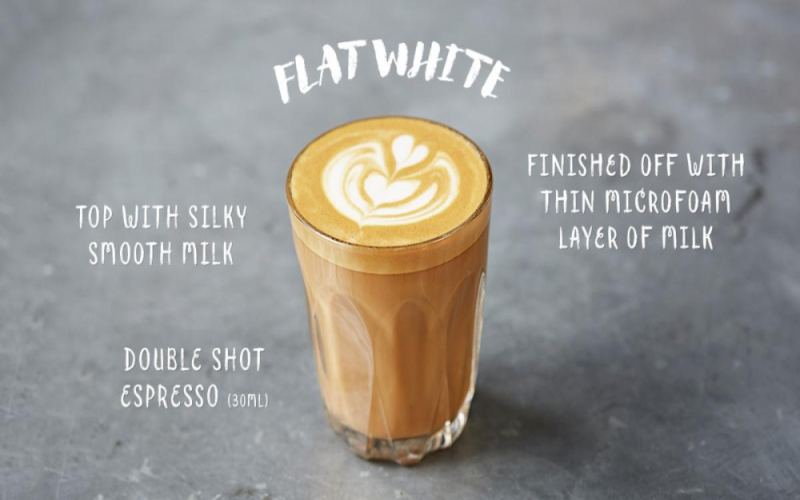
Is Flat White Coffee Good? A Comprehensive Analysis of Australian White Coffee Flavor Characteristics, Hot and Iced Options, and Brewing Methods
Flat White is an Italian-style milk coffee made with espresso as its base, using less milk and featuring a prominent coffee flavor. In China, it is also translated as "Ao Bai coffee" or "little white coffee." Compared with a latte and a cappuccino, its milk foam is thinner and its coffee ratio is higher, with the finished drink at about 100 to 200 milliliters. Regarding its origin, Australia and New Zealand have been arguing to this day, and this has also given rise to two production schools: one using a single shot of espresso and the other using a double ristretto. This article will introduce in detail the characteristics of the Flat White, the controversy over its origin, the choice between hot and iced versions, and the double espresso extraction parameters and blend bean recommendations used in Front Street Coffee stores, helping coffee lovers make a cup of rich coffee-flavored Australian white coffee at home as well. [more…]
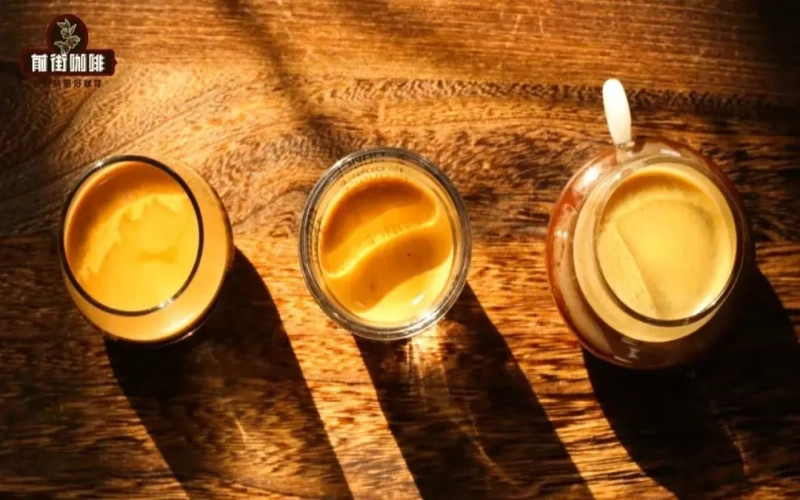
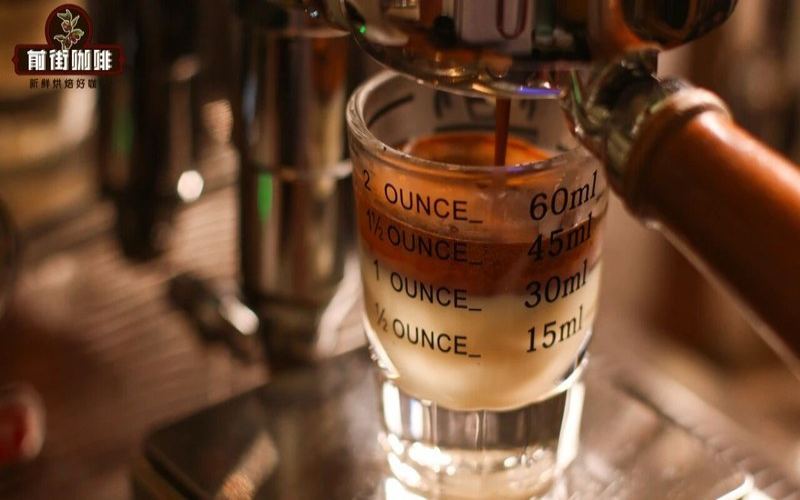
What exactly is the difference between ristretto, espresso, and lungo? The three espresso extraction types and why cafés rarely offer certain options
Many coffee enthusiasts have heard of the three terms "original extraction," "fine extraction," and "full extraction," but are not quite clear on what exactly distinguishes them, nor why these options are almost never seen in specialty coffee shops. In fact, they correspond respectively to Normale, Ristretto, and Lungo in espresso—that is, regular espresso, short-extraction espresso, and long-extraction espresso. The core differences among the three center on concentration and flavor expression: different brew ratios lead to changes in the extracted coffee's concentration and extraction yield. This article uses Front Street Espresso Blend · Strawberry Candy Espresso as an example to break down the extraction parameters and flavor characteristics of the three espressos one by one, and explains why specialty coffee shops rarely offer multiple espresso type choices—this involves both the practical difficulty of grind size adjustment and the compatibility of different espressos in milk coffee. [more…]
Choose cold brew coffee beans by roast level, with suitable options from crisp and refreshing to rich and full-bodied
Cold brew amplifies the smoothness of coffee after it enters the mouth, and also makes the bean's sweet aroma last longer. If you want a fresh, fruity flavor, you can start with a light roast; if you prefer a rounded, distinctly sweet taste, a medium roast is easier to adapt to; if you're used to cocoa, nuts, and a heavy mouthfeel, a medium-dark roast will be closer to your daily preference. Filter by roast level [more…]
Espresso Blend Options | Which everyday espresso beans are suitable for home espresso machines? Recommended specialty coffee beans for espresso extraction
For more specialty coffee knowledge, please follow: Front Street Coffee (Frontsteet Coffee). Friends who often follow Front Street should know that Front Street focuses on freshly roasted coffee. Freshly ground coffee is not the same as fresh, and of course, the fresher the better is not always true. Front Street generally provides coffee that is two [more…]
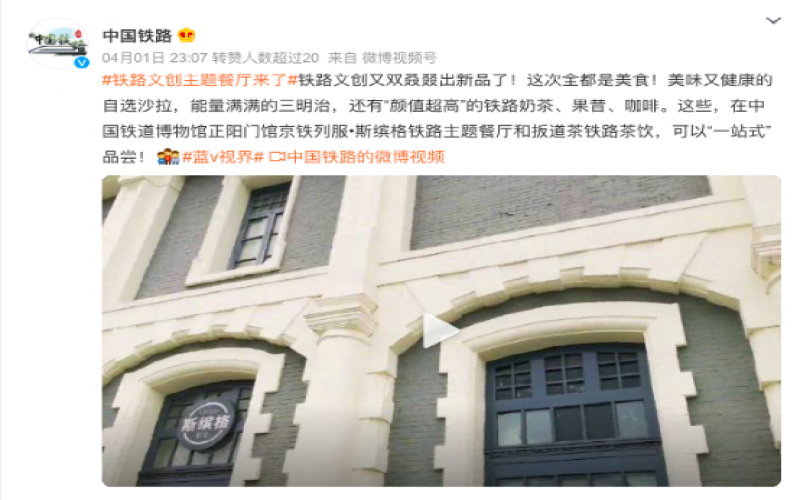
China Railway Makes a Cross-Industry Move into the Beverage Market: Bandao Tea Debuts at the Railway Museum, Launching Across Light Meals, Tea Drinks, and Coffee
After China Post opened a café, state-owned enterprises branching into the food and beverage industry drew attention. China Railway has also joined this trend, launching a railway cultural and creative themed restaurant at the Zhengyangmen branch of the China Railway Museum, covering healthy light meals and beverages. The beverage brand is named "Bendao Tea," featuring railway-themed decor and freshly made tea, juice, and coffee, priced at 12 to 32 yuan. However, consumers have reported that the drinks are too sweet and lack personalized customization options, and the store's location is rather remote with a hard-to-pronounce name, resulting in limited foot traffic. Previously, high-speed rail milk tea was criticized and trended on social media over price and taste issues, and high-speed rail coffee was also launched the same month. Unlike China Post's step-by-step approach with milk tea and coffee, China Railway is pursuing multiple tracks simultaneously—ambitious, but facing no small challenge. [more…]
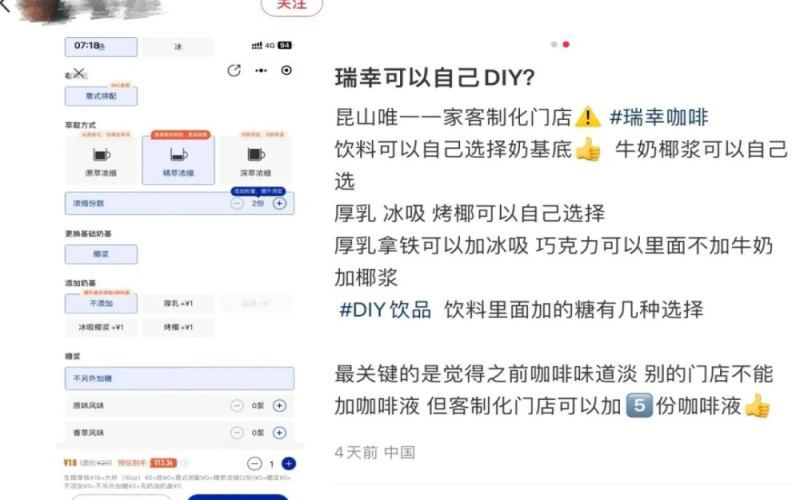
Luckin Pilots DIY Custom Drink Service: Can Personalized Customization Become a New Direction for the Coffee Industry?
In recent years, consumers' demand for personalized coffee has continued to rise, and many chain brands and independent cafés have rolled out customization options. Recently, netizens reported that Luckin Coffee has piloted a "drink DIY" menu in some stores, allowing customers to choose their milk base and even add extra milk or espresso. As soon as the news broke, Luckin fans cheered, "Roll it out nationwide, fast," while some employees worried that order volumes are already huge and that full rollout could leave them "run ragged." Meanwhile, on January 22, Luckin announced it had completed development of the core features of its HarmonyOS native app. Is this exploration of coffee customization a blessing or a burden? This article takes you through it. [more…]
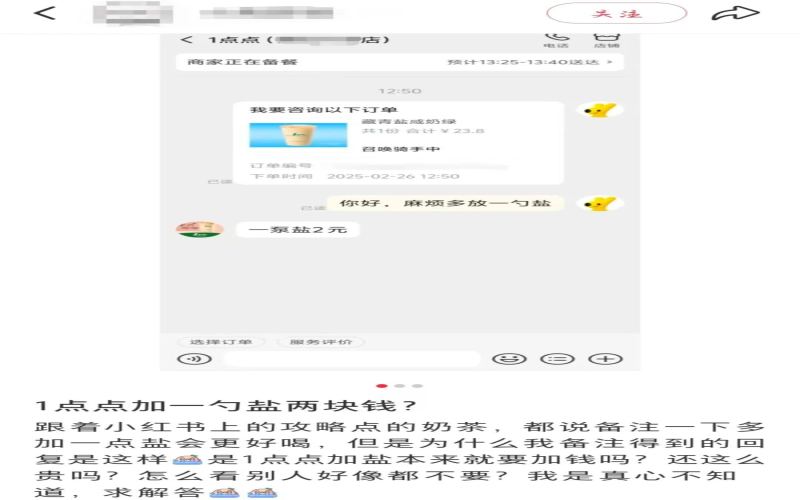
A little bit of salted milk green tea with added salt at a higher price sparks heated discussion; consumers ask whether sugar-free or less-sugar options should come with a price refund
Recently, a post about 1 Dian Dian's navy salt salted milk green tea charging an extra 2 yuan for added salt sparked widespread discussion on social media. Some customers, following online guides, asked for extra salt, only to be told that one pump of salt costs 2 yuan, which was far from their expectations. Subsequently, 1 Dian Dian employees and official customer service explained that the "salt" is actually a relatively expensive navy salt rock sugar flavor syrup, and according to company policy, additional additions require payment. Although the store has apologized for the incorrect price quote, netizens have derived a new question: since adding sugar costs money, should customers who order less sugar or no sugar also get a refund for the corresponding syrup price difference? This debate about the pricing logic of tea drinks quickly became a topic of interest for coffee and tea enthusiasts. [more…]

A Guide to Choosing Italian-Style Beans for Latte and Rich Crema: Front Street Coffee Blend Options and Extraction Key Points
To make a latte at home where the milk aroma and coffee aroma blend together, choosing the right espresso beans is the first step. This article focuses on the blending logic of espresso, the influence of roast level on flavor, the criteria for judging crema, and techniques for steaming and integrating milk. Drawing on years of experience, Front Street Coffee shares the design approaches behind two blends, Commercial Espresso and Strawberry Candy Espresso, corresponding to two directions: rich caramel and floral-fruity sweetness, respectively. It also provides reference parameters of extracting 40 ml from 20 g of grounds in 25 to 30 seconds, along with operating suggestions for milk foam at 55 to 60°C, helping coffee enthusiasts master the key steps of latte making more systematically. [more…]
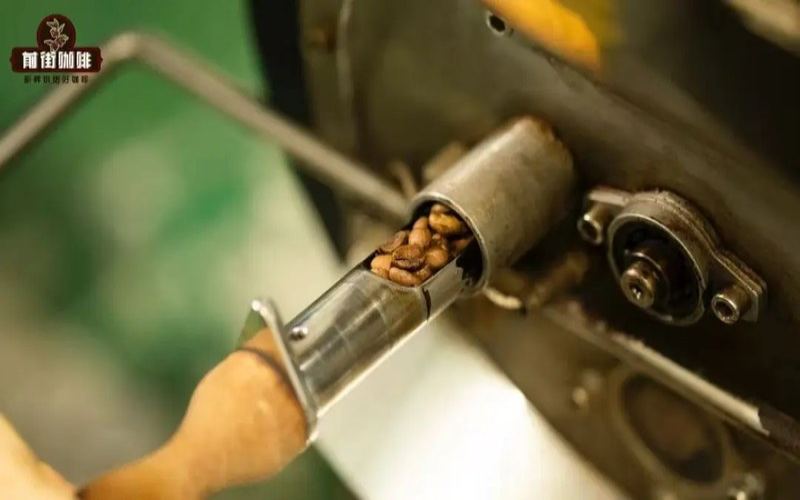
How to Choose Budget Everyday Beans: Daily Options for Light, Medium, and Dark Roasts
When choosing everyday beans on a budget of around a hundred yuan, the roast level is a very practical starting point. It affects the aroma profile, the balance of acidity and sweetness, the body, and how much extraction effort is needed during brewing. If you like bright fruity notes, look to light roasts; if you prefer a sweet, balanced cup, medium roasts are easier to get along with; if you're used to a strong [more…]
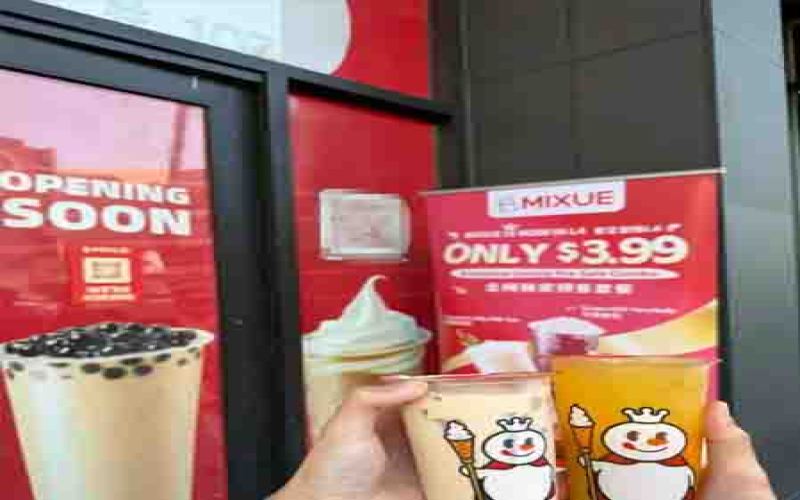
Mixue Ice Cream & Tea Lands in Hollywood: U.S. Stores Offer Up to 200% Sugar Level Option, Sparking Heated Discussion
Mixue Ice Cream & Tea is accelerating its pace into the North American market. Its store on the Hollywood Walk of Fame in Los Angeles is about to officially open, and pre-sale packages have already appeared on delivery platforms, priced at $3.99 for two drinks and one ice cream. However, what truly sparked discussion was not the price, but the sweetness options on the ordering page—besides the usual sugar levels, options for 120%, 150%, and even 200% sugar appeared. Chinese netizens were dumbfounded, while Chinese people in the US believed this was simply a localized strategy adapted by the brand to local conditions. This article sorts through the course of events and reactions from all sides to help you understand the market logic behind this cup of "double sweetness." [more…]

How to Make Ice Cube Coffee? Espresso Freezing and Storage Tips with Three Pre-Made Options: Iced Americano, Iced Latte, and Iced Pour-Over
On a scorching summer day, a glass of iced coffee never fails to bring instant refreshment. But on a busy morning, who has the patience to wait for a cold brew to slowly filter? This time, Front Street Coffee is sharing a lazy-person solution that only requires freezing coffee liquid into ice cubes ahead of time and simply adding water or milk before heading out—ice cube coffee. The article breaks down in detail three methods: ice cube Americano, ice cube latte, and ice cube pour-over, explaining everything from bean selection and extraction parameters to freezing and melting details, while also objectively analyzing the loss of oils and aroma in pre-made coffee. If you want to sleep ten extra minutes without giving up a decent glass of iced coffee, this method is worth a try. [more…]
How to Order Starbucks Drinks to Taste Even Better? Top Ten Must-Order Recommendations and Practical Ordering Tips
The Starbucks menu offers a rich selection, from classic coffees to teas and Frappuccinos, each with its own distinct flavor. Faced with such a dazzling array of options, many people struggle to decide which one is actually worth trying and how to order something that suits their taste. This article compiles the top ten most popular Starbucks drinks, covering coffee categories such as the Coffee of the Week, Americano, Latte, Mocha, and Caramel Macchiato, as well as tea drinks like Iced Shaken Lemon Tea, Black Tea Latte, and Matcha Latte, plus Frappuccinos such as Matcha Frappuccino and Caramel Mocha Coco Chip. Each drink comes with flavor characteristics and practical ordering suggestions to help you avoid pitfalls and get a cup you are more satisfied with. For more specialty coffee beans, follow Front Street Coffee (FrontStreet Coffee), WeChat ID: qjcoffeex. [more…]
How to Choose Espresso Beans: A Complete Guide to Blend Options, Crema Formation, and Extraction Parameters
To make a golden-crema, richly aromatic espresso at home, choosing the right coffee beans is the first step. Starting from bean freshness and the resting period, this article explains how the two major species, Arabica and Robusta, affect crema performance, and how origin and roast level shape the final flavor. It then introduces several Front Street Coffee espresso options: the classic blend, the dark cocoa blend, and two single-origin espressos (SOEs), each suited to different taste preferences and budgets. Finally, it focuses on extraction, explaining pressure stability, the brew ratio, and how crema transitions from thick to thin, helping you understand why more extraction doesn't necessarily mean better crema, along with practical parameter references. [more…]
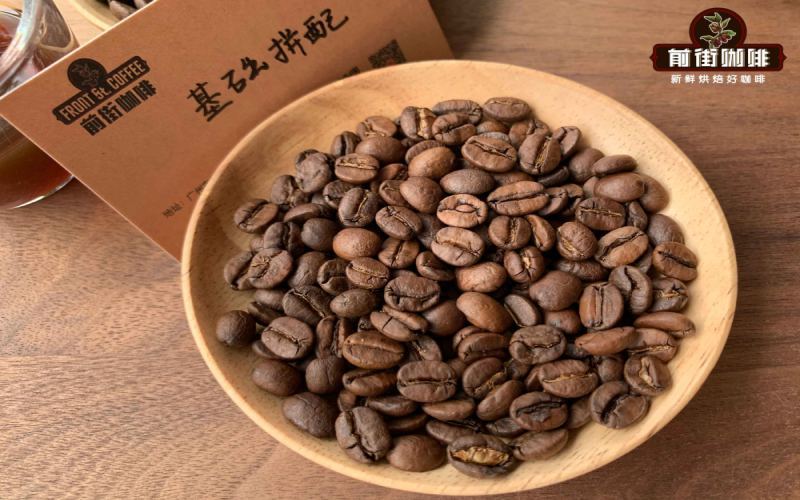
Front Street Coffee Explains Three Espresso Blend Options: A Practical Guide to Crafting Caramel-Sweet Lattes and Black Coffee
Blending coffee is not simply mixing beans together; rather, it creates a more balanced and stable flavor by leveraging the complementary strengths of beans from different origins. Starting from Front Street Coffee's three espresso blend recipes, this article systematically explains the purpose of blending, the differences between raw blending and roasted blending, the pros and cons of the SOE trend, and the roles played by bean varieties such as Colombia Huila, Brazil Cerrado, Robusta, and Yunnan AA in a blend. Whether you are looking for a daily production solution for your coffee shop or want to recreate a caramel-sweet latte or black coffee at home, you will find suitable blending ideas and practical tips here. [more…]
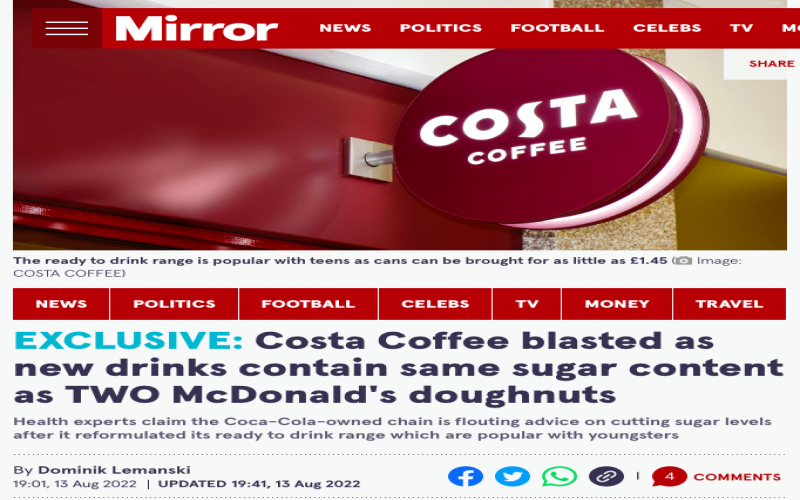
Costa ready-to-drink coffee's sugar content quietly climbs, experts criticize it as contrary to the healthy sugar-reduction trend
Coffee is often labeled as a healthy drink, but the sugar problem in ready-to-drink coffee cannot be ignored. According to the British Mirror, Costa, a brand owned by Coca-Cola, has been quietly increasing the sugar content in its pre-packaged coffee, with some products seeing a one-third rise in sugar compared to 2019. Experts point out that this move runs counter to the sugar reduction initiative promoted by the UK government. Meanwhile, countries such as Singapore have introduced measures to restrict advertising for high-sugar drinks, and Chinese consumers have also begun to pay attention to sugar and sugar substitute options in milk tea and coffee. The health risks behind a sweet drink deserve the attention of every coffee lover. [more…]
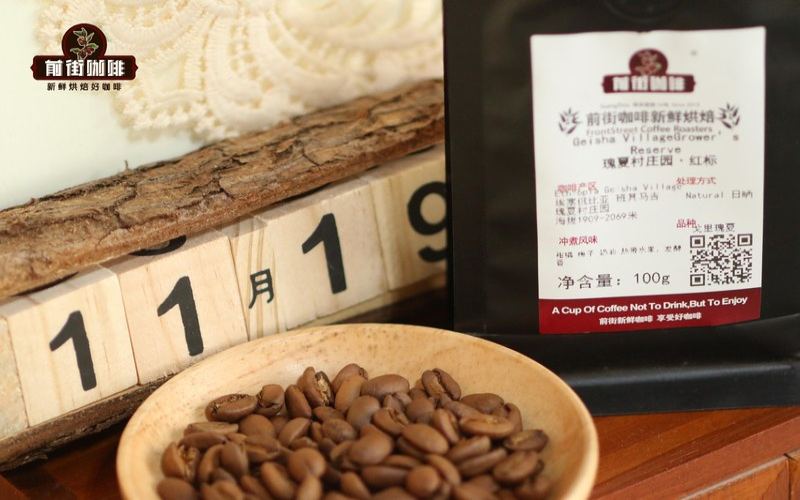
Different roast levels call for different ways of drinking blended coffee beans.
For blended coffee beans, you can start by looking at the roast level. With a lighter roast, the cup often retains brighter aromas and a lighter mouthfeel; as the roast deepens, notes like nuts, cocoa, and caramel become more prominent, and the sip carries more weight. First decide whether you prefer something crisp or rich, then look at specific bean options—your choices will have more direction. [more…]
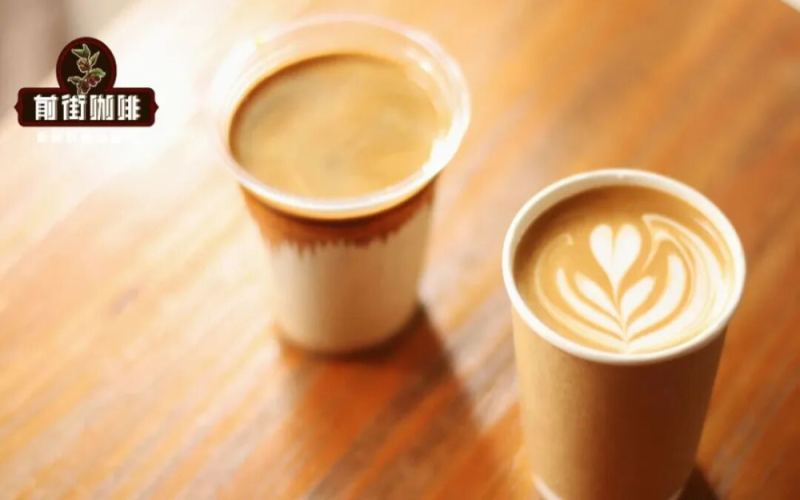
Are Dirty and Flat White Simply Hot and Cold Versions of the Same Drink? A Detailed Explanation of the Differences and Similarities Between Dirty Coffee and Flat White
In specialty coffee shops, Dirty and Flat White are often treated as the default options for testing a barista's skills, even surpassing Americano and Latte in popularity. Someone has put forward an interesting claim: Dirty is just a cold version of Flat White, with the only difference between the two being temperature. Does this viewpoint hold up? To find out the truth, Front Street Coffee decided to put these two milk coffees together for a comprehensive comparison. From bean selection, extraction parameters, and cup volume control, to milk foam condition, temperature management, and the flavor layers on the first sip, we will break down one by one the similarities and differences between Dirty and Flat White in production details and taste experience, to see whether they really are the hot and cold sides of the same cup of coffee. [more…]
Why Is Oat Milk Priced Higher? A Full Analysis from Production Process to Market Supply and Demand, and Its Differences from Almond Milk and Cow's Milk
With more and more plant-based milk options available today, oat milk often sparks discussion because of its relatively high price: what exactly makes it so expensive—is it a marketing premium or the result of underlying costs? This article begins with the production process of oat milk, breaking down the complete flow of how it is made from oats and water through steps such as enzymatic hydrolysis and filtration, and compares the differences between almond milk and dairy milk in nutrition, taste, and price. At the same time, by examining supply and demand dynamics and shelf-life constraints, it explains why oat milk sells for more in cities, and what more budget-friendly alternatives exist, including feasible methods for making oat milk at home. The article also retains recommended channels for specialty coffee beans for coffee enthusiasts to reference. [more…]